
Understanding plagiocephaly: A guide for parents
What Is Plagiocephaly?
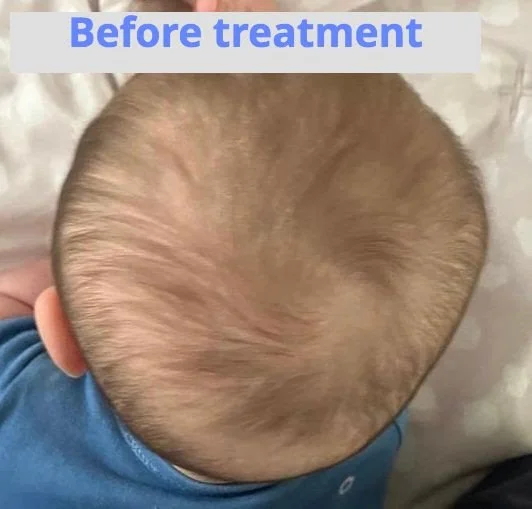
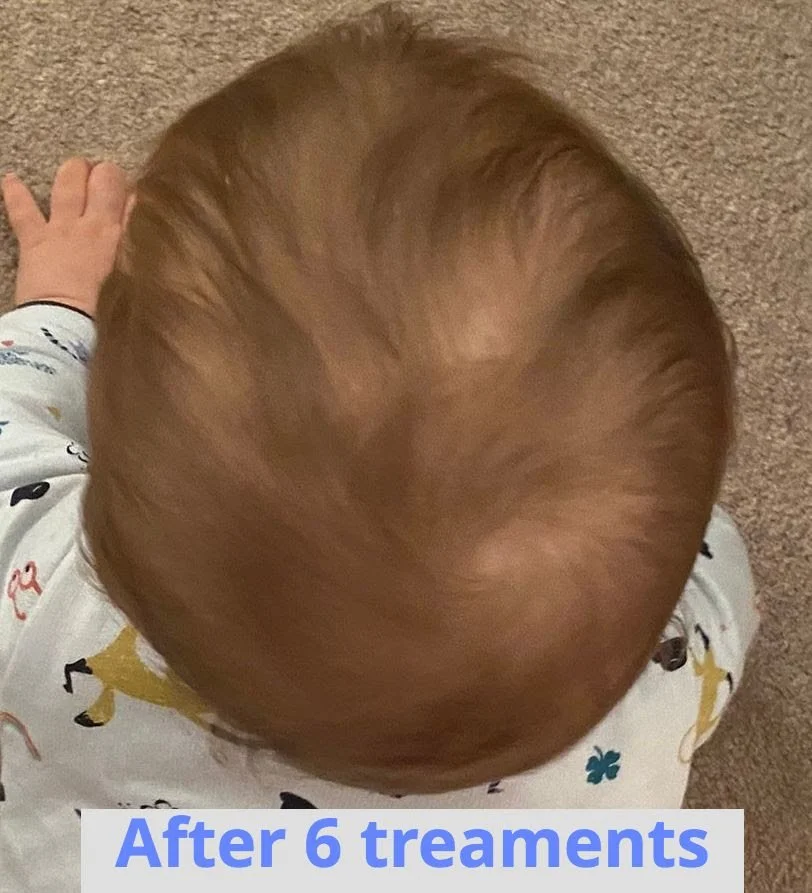
Plagiocephaly refers to the flattening of one side of the head, often characterised by a misshapen or asymmetrical appearance. This condition can occur in infants, and it is most commonly associated with positional plagiocephaly. Positional plagiocephaly is often caused by the baby consistently resting their head in the same position, leading to pressure on one part of the skull.
There are two main types of positional plagiocephaly:
Deformational Plagiocephaly: This type is typically related to external factors such as consistently lying in one position, favoring one side of the head, or using devices that restrict movement, such as car seats or swings.
Brachycephaly: This involves a flattening of the back of the head and is also associated with prolonged periods of back sleeping.
To prevent positional plagiocephaly, healthcare professionals recommend practices such as supervised tummy time when the baby is awake, changing the direction of the baby's head during sleep, and avoiding excessive time spent in devices that restrict movement.
When consulting an osteopath for plagiocephaly, a thorough examination and history help identify the causes. The osteopathic approach uses gentle techniques, especially in cranial osteopathy, to address restrictions in the cervical spine and cranium, potentially originating during pregnancy or birth. The goal is to improve mobility and alleviate issues contributing to head asymmetry, emphasising a holistic approach for the infant's well-being.
Clear communication between parents and healthcare providers, including osteopaths, is essential to ensure a comprehensive understanding of the baby's condition and to collaboratively explore suitable treatment options.
In some cases, helmets or repositioning techniques may be recommended by healthcare providers to help reshape the baby's head if the flattening is severe or doesn't improve with conservative measures. It's important for parents to consult with healthcare professionals for guidance and monitoring if they notice any irregularities in their baby's head shape.
How to recognise plagiocephaly in infants?
Recognising plagiocephaly in infants involves observing their head shape and paying attention to certain signs. Here are some ways to recognise plagiocephaly:
Head Shape: Examine the overall shape of the baby's head. Plagiocephaly often results in flattening on one side or at the back of the head.
Asymmetry: Look for asymmetry in the baby's head and face. One side may appear flatter or differently shaped than the other.
Ears and Eyes Alignment: Check if the baby's ears and eyes are aligned. In plagiocephaly, these features may not line up properly due to the flattening.
Head Tilt: Observe the baby's head position. If the baby consistently tilts or turns their head to one side, it may be an indication of plagiocephaly.
Limited Neck Movement: Notice if the baby has difficulty turning their head in both directions. Limited neck movement can contribute to plagiocephaly.
Importance of early detection and intervention:
Early detection and intervention for plagiocephaly are important for several reasons:
Prevention of Long-Term Issues: Addressing plagiocephaly early can help prevent the development of long-term issues. The infant's skull is still growing and malleable, making it more responsive to intervention measures.
Maximising Effectiveness of Interventions: Repositioning techniques and exercises are often more effective when started early. Early interventions can help reshape the baby's head and promote more symmetrical growth.
Avoidance of Complications: Severe or untreated plagiocephaly can lead to complications, such as facial asymmetry, jaw misalignment, and developmental delays. Early intervention aims to minimise these potential complications.
Psychosocial Impact: As children grow, the psychosocial impact of a noticeable head shape abnormality may become a concern. Early intervention can mitigate the development of self-esteem issues related to physical appearance.
Monitoring and Referral: Early detection enables healthcare professionals to monitor the baby's progress and make timely referrals to specialists if necessary. In some cases, more severe plagiocephaly may require helmet therapy, and starting this intervention early can improve outcomes.
Parents and caregivers play a key role in early detection by regularly observing the baby's head shape and seeking guidance from healthcare professionals if concerns arise
Remember, always consult with a qualified healthcare professional, such as an osteopath, for personalised advice and treatment options tailored to your specific needs.
